



The positive relationship between commercial literature and cinema
November, 11; 2026. By Arscodex
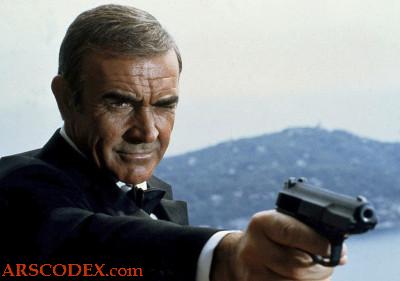
Sean Connery as James Bond
First, however, we must define what is meant by "commercial literature." Essentially, it refers to novels—or, more accurately, series of novels—primarily in the adventure genre and aimed at a general audience. These works are characterized by a strong element of escapism, standing in contrast to realism or non-fiction. This type of "commercial literature" was particularly prevalent during the late 19th century and the first half of the 20th century. Over time, other genres—most notably fantasy literature—came to take the place of these novel series.
The first example we will examine (presented chronologically) is Sandokan, created by the Italian author Emilio Salgari. This series of novels provided the basis for numerous films centered on this character from the South Seas. His first appearance dates back to 1883 (in the late 19th century, as previously mentioned).
Next, we can point to Tarzan, by Edgar Rice Burroughs. He first appeared in a commercial novel in 1912. To date, Tarzan has featured in a staggering number of films—well over 70.
We should also mention the character Fu Manchu, created by the British writer Sax Rohmer. This arch-villain—who embodies the "Yellow Peril" trope (a complex subject we will not delve into here)—first appeared in a novel in 1913.
Finally, there is the iconic character James Bond, created by Ian Fleming, who first appeared in 1953 (in the mid-20th century). This intrepid yet composed British secret agent has appeared in more than 25 films to date. It is worth noting that in this non-exhaustive list of four entries we have compiled, Anglo-Saxon literature—that is, literature in English—predominates, with three titles. Within this category, British literature—represented by the villain Fu Manchu and the iconic James Bond—takes the lion's share.
Thus, we can observe the significant role that commercial literature plays, and has long played, in cinema—both throughout the 20th century and today.


